Regulated vs Unregulated PCP: What a Regulator Does

Last updated November 2026 · By the Northtac Team
Almost every PCP spec sheet now says "regulated" somewhere near the top. If you're new to air rifles, that word doesn't tell you much on its own. It's worth understanding, though, because it changes how a rifle shoots from the first shot of a fill to the last.
Below is what a regulator does, how an unregulated rifle behaves without one, and when each makes sense.
What a regulator does in a PCP
The air cylinder on a PCP might start at 250 or 300 bar after a fill. Every shot takes a little air out, so that pressure keeps dropping as you shoot.
A regulator sits between the cylinder and the firing valve. It lets air through at one fixed pressure, set well below the full cylinder, into a small chamber called the plenum. The valve only ever sees that set pressure. Shot 1 and shot 40 get the same push, so they leave the barrel at nearly the same speed.
That holds until the cylinder drops to the regulator's set pressure. Below that point the regulator can't hold anything back, the rifle starts losing power, and it's time to refill.
How an unregulated PCP shoots
Without a regulator, the valve sees whatever pressure is in the cylinder. Right after a fill, that high pressure can actually hold the valve shut a little, so the first shots come out slower. As pressure drops, speed climbs, levels off for a stretch, then falls away.
Shooters call this the power curve. The middle of it, where speed stays fairly steady, is the part you want to shoot. Owners of unregulated rifles learn where that stretch starts and ends, and many fill to less than the rated maximum to start closer to it.
Regulated QILIN BP rifles
View all →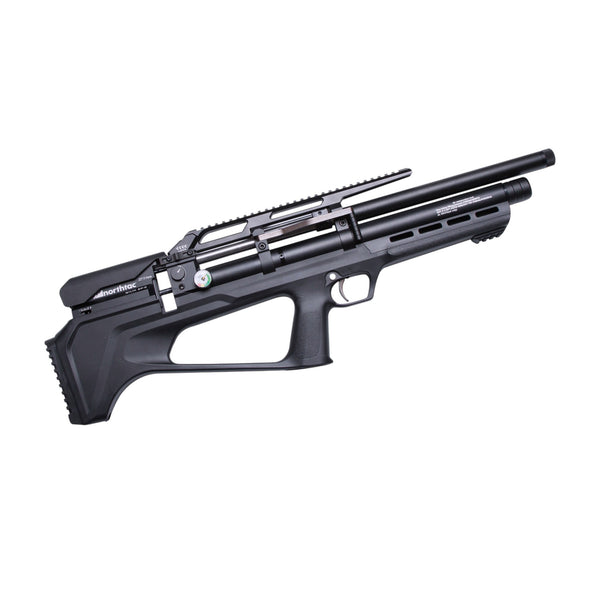
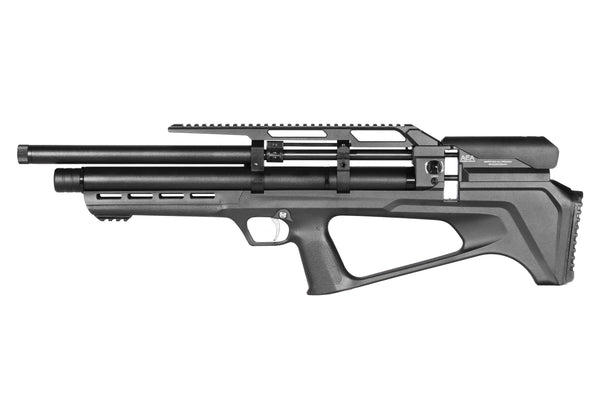
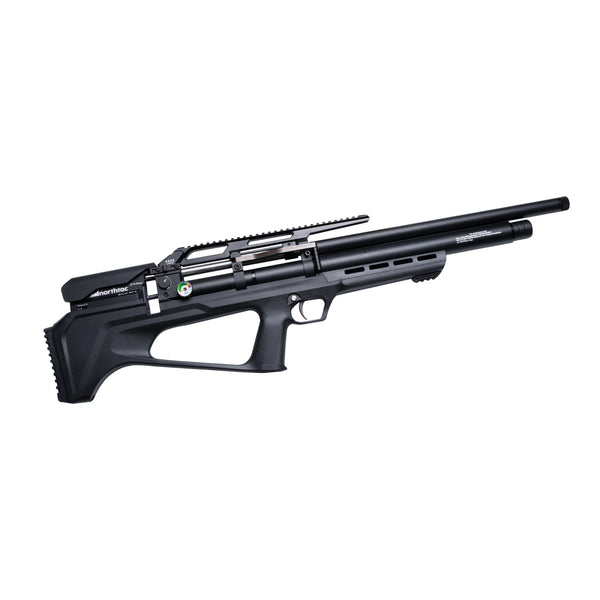
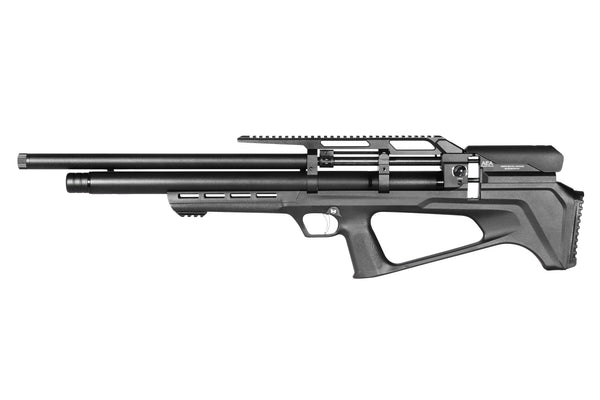
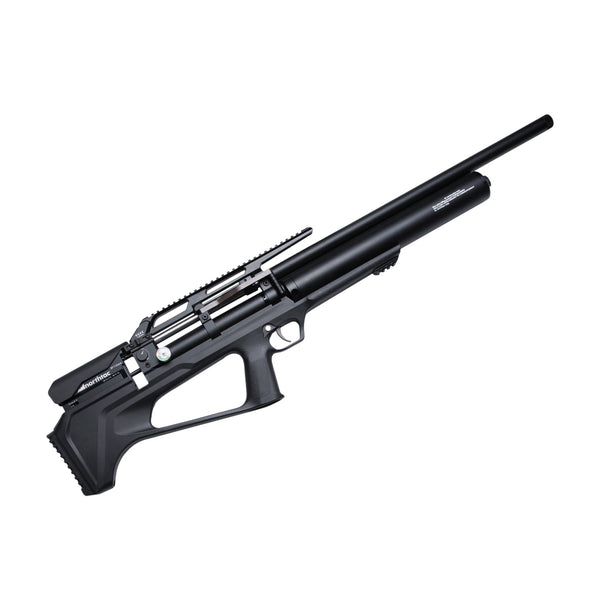
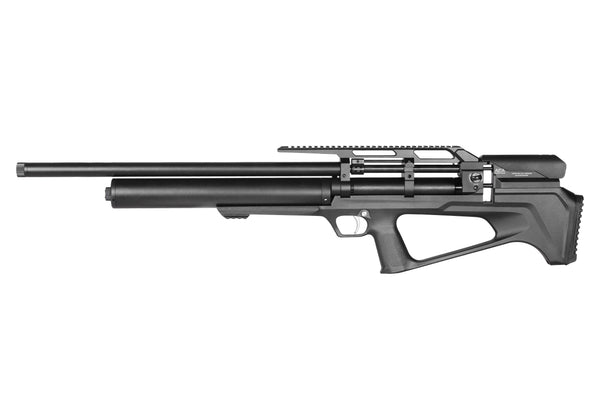
Regulated vs unregulated PCP, side by side
Consistency. A regulated rifle holds its speed much tighter from shot to shot. At 50 yards and beyond, that shows up as less vertical spread in your groups.
Usable shots. A regulator usually gives you more shots you'd trust on a target, because you're not waiting for the curve to flatten or stopping when it falls off.
Filling. With a regulator you can fill to the rifle's maximum without worrying about the first few shots. That's simpler for new owners.
Tuning. On many regulated rifles you can change the regulator setting and the hammer spring to trade power for shot count. On our QILIN BP rifles the regulator adjusts from 70 to 200 bar.
Cost and parts. This is where unregulated rifles win. They're simpler, often cheaper, and have one less set of seals to look after. A regulator can also slowly drift above its setting over time, which owners call creep, so it's worth checking now and then.
Adding a regulator to an unregulated PCP
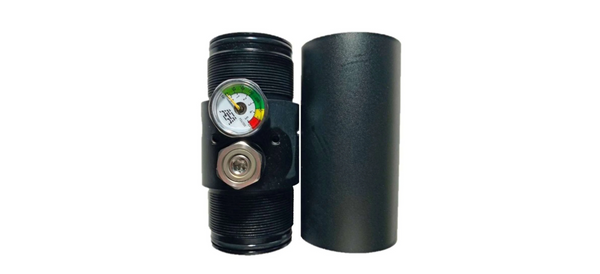
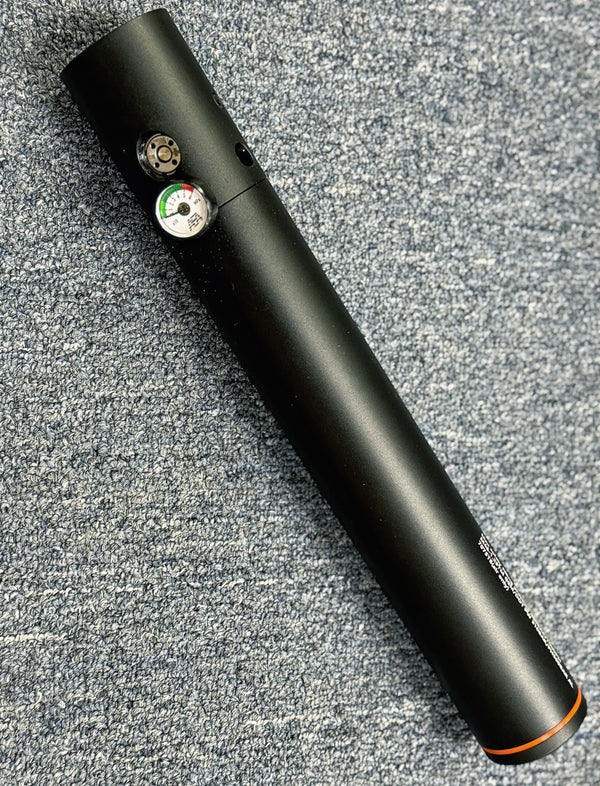
It depends on the rifle. Some platforms have regulator kits made for them, and some don't. A kit has to match the rifle model and its working pressure, since a 4500 PSI rifle and a 7000 PSI big bore need different hardware. We carry kits for several AEA and Bintac platforms in our airgun regulators collection. If you're not sure a kit fits your rifle, ask before you order.
Regulator kits
View all →

AEA Precision Airguns
AEA External Adjustable Regulator Kit — Big Bore & Semi-Auto Platforms
$179.00


Regulated PCP FAQ
Does a regulator make a PCP more accurate?
It makes the speed more consistent, and consistent speed means less vertical stringing at distance. It won't fix a poor barrel or the wrong pellet, though. Our pellets vs slugs guide covers how to test ammo.
Should my first PCP be regulated?
For most people, yes. It's easier to learn on and easier to fill. Most rifles in the $350 to $500 range are regulated now, as our bullpup buyer's guide shows.
Can I change the regulator setting myself?
On rifles with an adjustable regulator, yes. Follow the manual, change one thing at a time and keep notes. A good habit is to set the regulator first and adjust the hammer spring after, so you're not chasing your own changes.
If you have a question about your rifle's regulator, send us a note or email support@northtac.com with the model and caliber. We'll help you sort it out.